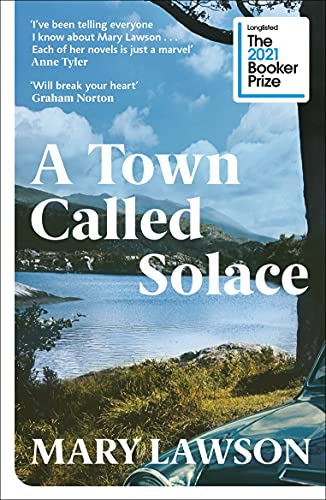
I found this book very readable – the style is deceptively simple and yet the themes and character development are deep and thoughtful. Told from the perspectives of a seven year old girl, Clara, whose teenaged sister has run away and now nobody can find her, and the strange man who has moved into the house across the road . Clara had been feeding the cat for the old lady who lived in the house, and can’t understand who the man is and why he’s there.
There are mysteries that slowly unfold and keep the narrative moving along nicely as well as interesting studies of how we humans cope with sadness, and loss, and loneliness. That makes is sound like a depressing read, but that’s not true, if anything I found the book uplifting and satisfying.
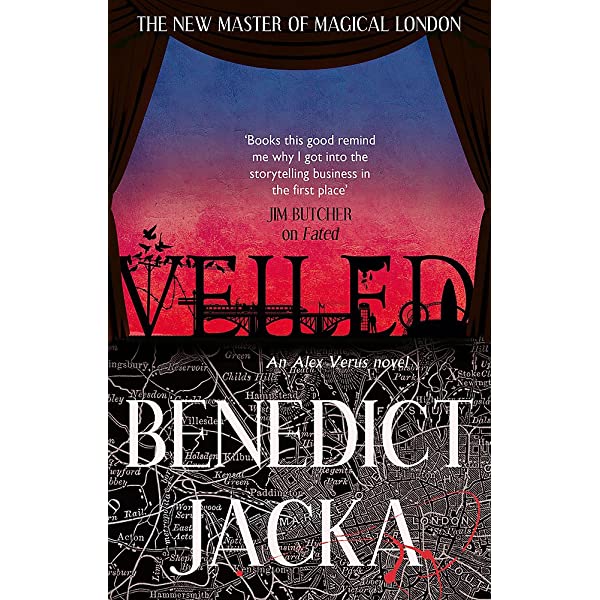
As usual, I’m quite far behind in writing up my book review, and as I work my way through the list of books I’ve read recently, and not reviewed, I saw the next book in this series (Burned) and realised that the review that I had posted for this book, Veiled, was actually a review of Burned, Doh! So I’ve cut that review, and I’ll paste it into the review of the actual book it should be, and then try to write something about this one.
The truth is, I can’t remember much about this book. I think that Alex started working for the Keepers, which is like the magical white mage’s secret police, and he did some undercover work with them, and the themes were about him trying to prove that he isn’t at heart a dark mage even though he (kind of unwittingly) had begun an apprenticeship with a dark mage but that he has turned his back on all that and really is a good guy. It shone a light on some of the factions and political infighting within the white mage community as well.
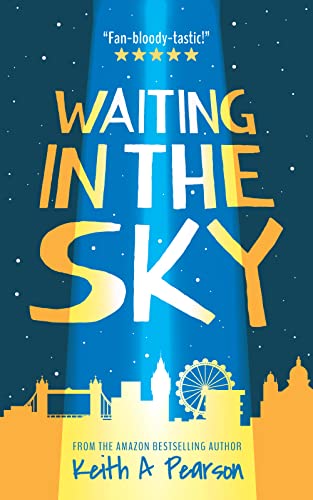
My daughter, Becca recommended this book to me, and it was cheap on kindle so I gave it a go. Amazon says it’s like Matt Haig’s The Humans, and since Matt Haig can do no wrong in my eyes, this was something of a pedestal to put the book on, and early in my reading I was a bit annoyed (this is no Matt Haig! I thought) and I guess that’s why they say comparisons are odious, because it’s not Matt Haig, and to expect it to be is just wrong. I found it a little hard to get into, and I thought, just another book about someone on the autism spectrum… but the story and characters did start to grow on me, and I did get more and more interested and emotionally invested until I actually found that I did really like the book in the end, and even straight away bought another book by the author!
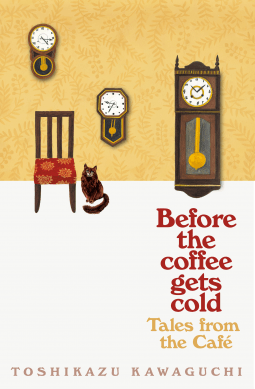
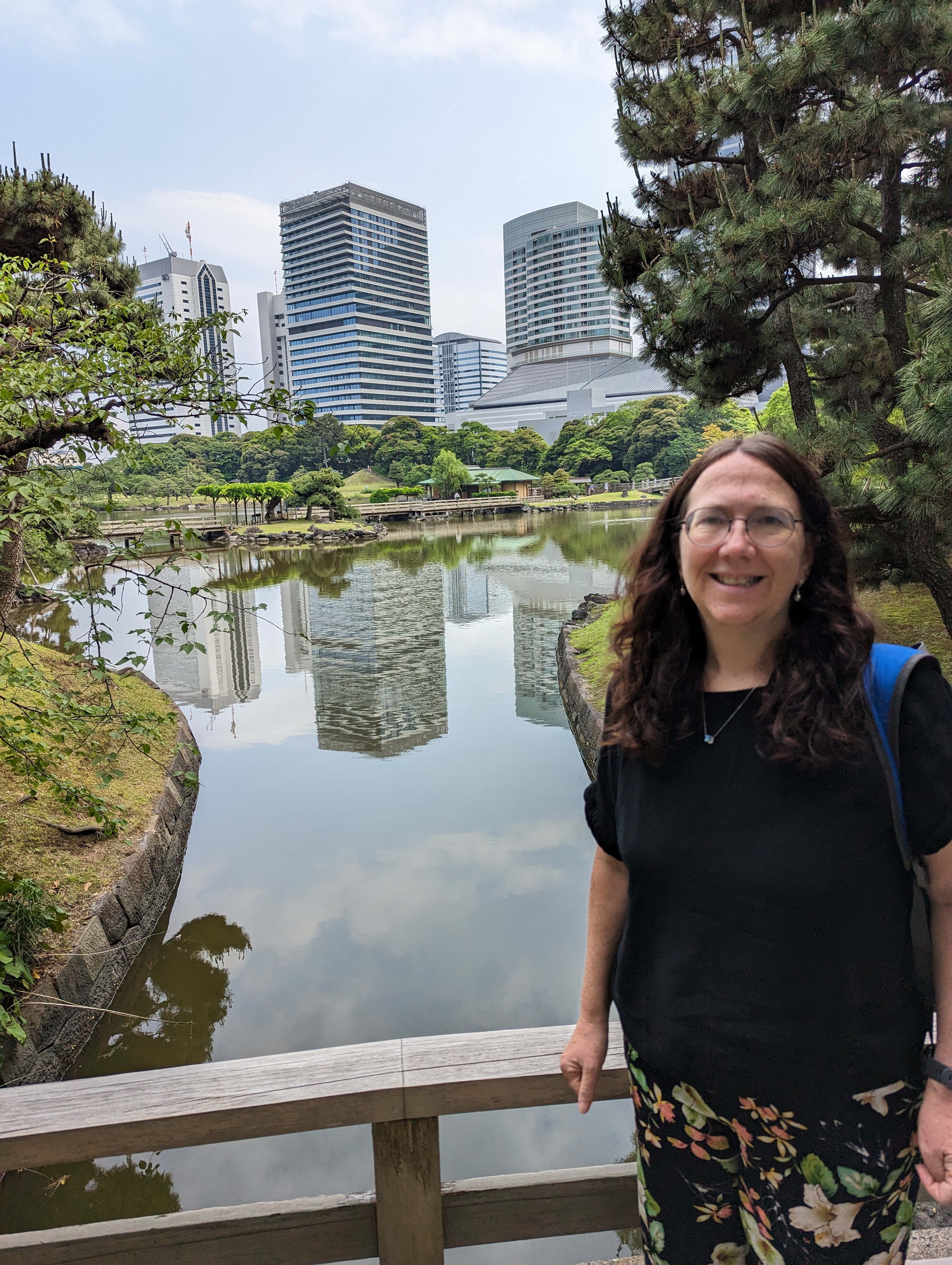
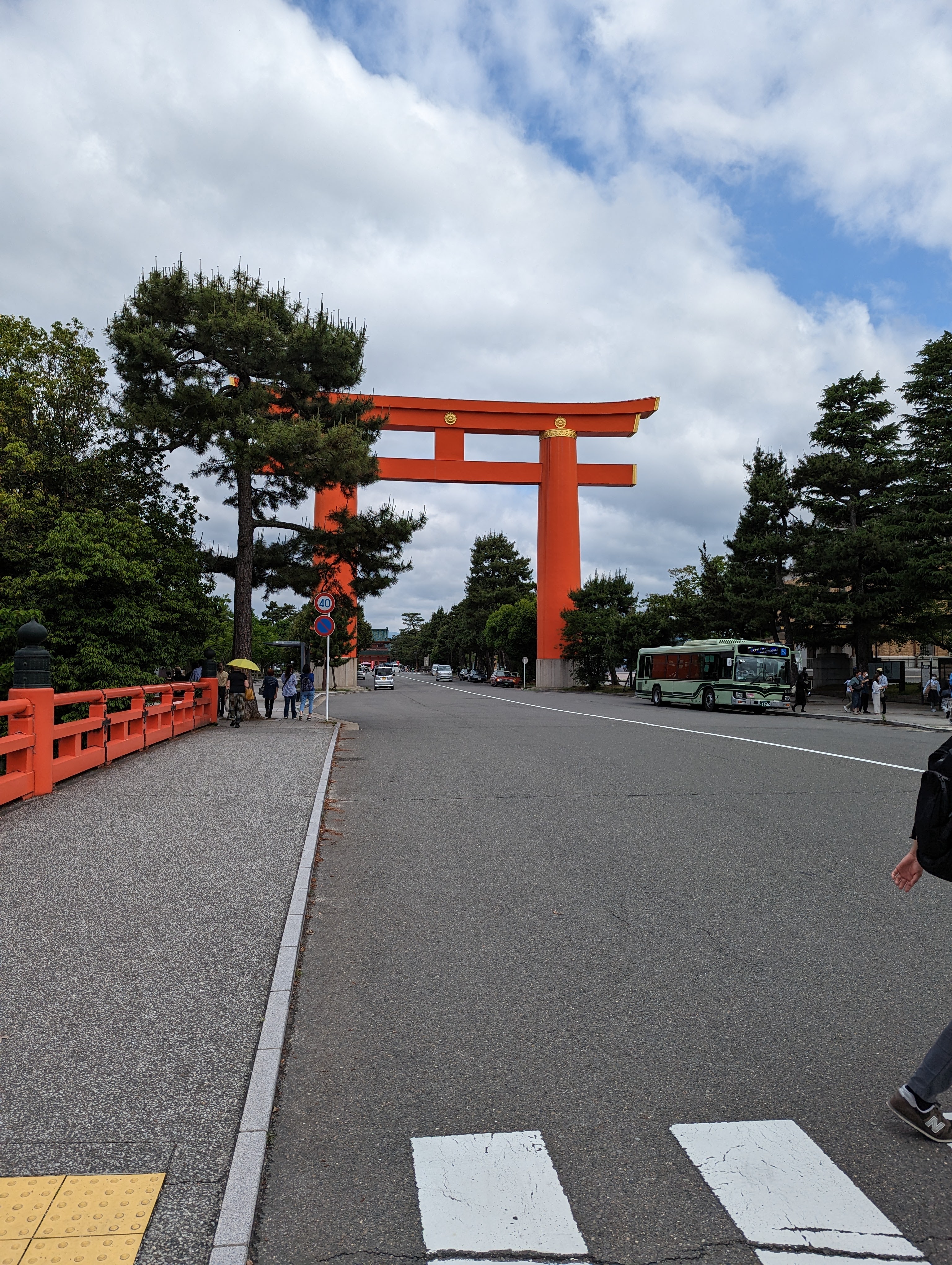
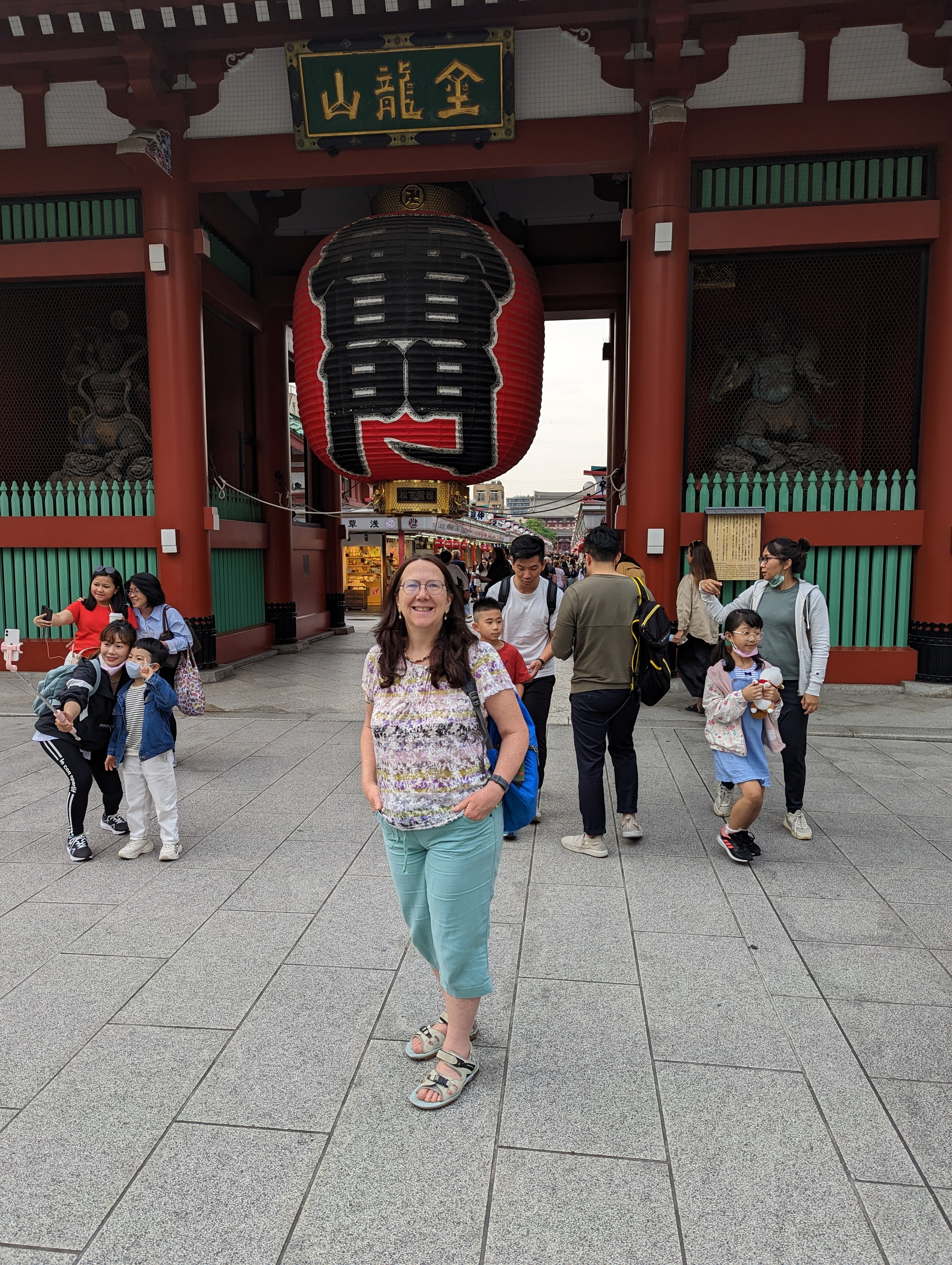
This was the last of my ‘Japanese books to read before our trip to Japan’. Before the coffee gets cold is set in a café/coffee shop tucked away in a side street in Tokyo with a magical realism element in that if you sit in a certain seat in the café, and follow a certain set of rules, you can travel back to a previous time during the life of the café and talk to and interact with the people who were there on that day. When you finish your coffee you will return to the present, and you must drink it before it gets cold.
Like most of the Japanese literature I’ve read, the book is slow moving and contemplative, and looks quietly but meaningfully at normal human relationships – regret, loss and misunderstanding and offers the protagonists a chance at some (often heartbreaking) redemption or just a chance to say what they wished they had said before.
In the previous book, Alex was in fear for his life as well as the lives of his friends, and was pushed into a ‘kill or be killed’ situation. He did what he had to do to survive, but his ‘friends’ judged him harshly and have somewhat turned against him. When one of his estranged friends (Anna) goes missing, he goes all out to try and find her and rescue her and also to try to heal the rift forming between them.
I am still enjoying this series and I like that it delves into difficult and thought provoking issues.
I love Dolly Parton (one of the best experiences of my life was seeing her live in Belfast!) so even though I’m not such a fan of thrillers I had to buy this book, and the audiobook has the added draw of a cast of narrators, including the great Dolly herself!
It was a fun listen – pretty much what you would expect from a collaboration between Dolly and James Patterson – a story of a talented but penniless country singer taken under the wing of a mature diva legend country singer, and lots of twists and turns and secrets and dangerous things happening and then being resolved.
I downloaded the songs from the book playlist from spotify as well!
Like my previous audiobook, this story is set in Nigeria and I enjoyed the lovely Nigerian accent of the narrator.
Vivek Oji’s body is left naked outside his mother’s door, and one strand of the book is about unravelling the mystery of what happened and how he died, but the book is about much more than that.
Jumping backwards and forwards in time, the book follows Vivek from his birth to his death, and also the lives of the people around him – his family and friends and the impact he had on them and they on him.
It’s about family and love, and sexuality and gender identity and acceptance or prejudice.
I has quite a lot of sex in it, and since I often listen to my audiobooks out loud at home while doing jigsaws, this was a bit embarrassing (!)
In this installment of the Alex Verus novels our hero has to revisit his shameful past as the brother of a girl he helped kidnap when he was an apprentice to a dark mage finds him hell bent on bloody revenge.
The man has a band of magical vigilante allies out to kill dark mages and between them they are deadly so Alex is struggling to avoid them while also trying to find out what happened to the girl.
The book brings up difficult moral dilemmas and situations where there is no easy or ‘good’ answer.
Oh my goodness, I absolutely LOVED this book! I haven’t enjoyed an audiobook this much since, maybe The Hail Mary Project by Andy Weir (which incidentally it reminded me of in places, when there was fun science explained in a way that was entertaining and informative). The other series which of course this book reminded me of is The Long Earth books by Terry Pratchett and Stephen Baxter because this it a story about someone who discovers how to step into parallel universes.
This book begins in our world (or one like it?) at a point in time when the world is ravaged by climate change and global war is imminent. It starts with a socially awkward Nigerian scientist who is so focussed on her work (some kind of particle physics stuff) that she barely notices that the world is falling apart around her and only when she needs assistance with her new discovery does she realise that she is alone in her university facility.
She logs into her colleague’s AI since there are no humans to help her, and part of the story is narrated by this ‘self’.
The multiverse world she finds is also experiencing war, this time between organic ‘selves’ (not all earths have the sentient life evolved from apes, in some world the ‘selves’ are evolved from cats or dogs or rabbits) and beings from worlds where artificial or mechanical life is dominant and a lot of the tension comes from both sides not being able to comprehend that the other is actually sentient and not ‘just a machine’ or ‘just an animal’.
The book is so well written – introducing characters and fleshing them out with full backstories so we get to know and love (or at least understand) them, and at the same time nothing is wasted space because everything comes together beautifully and masterfully at the denouement (it make me think of A Prayer for Owen Meany or Holes in that things which just seemed to make the story interesting actually turned out to be pivotal to the overarching narrative!).
The only negative I felt was the abrupt ending, and that I guess is because this is the first in a series of books and the action will pick up in book two which I now can’t wait for!!!
I have read a few of the Matthew Swift Midnight Mayor novels, which I like although I find the writing style a little bit busy and tense, so I thought I would give this spin off series a try and I’m glad I did.
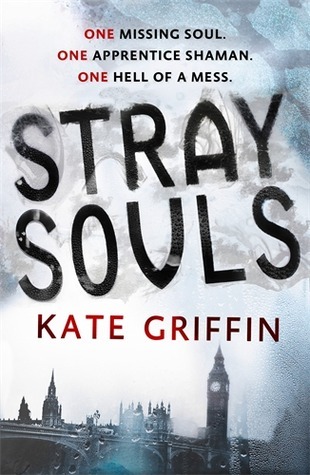
It is a bit more gentle and humorous than the Midnight Mayor books, with fun characters and more to my taste. There was still action, and Matthew swift made several appearances, but the main protagonist is Sharon Li, who discovers she is a Shaman when she suddenly becomes aware of everything and everybody in the city of London. She is helped in discovering her new abilities by a grumpy troll mentor and she becomes the leader of a self help group for random troubled magicals who introduce more humour and fun group dynamics into this urban fantasy tale.