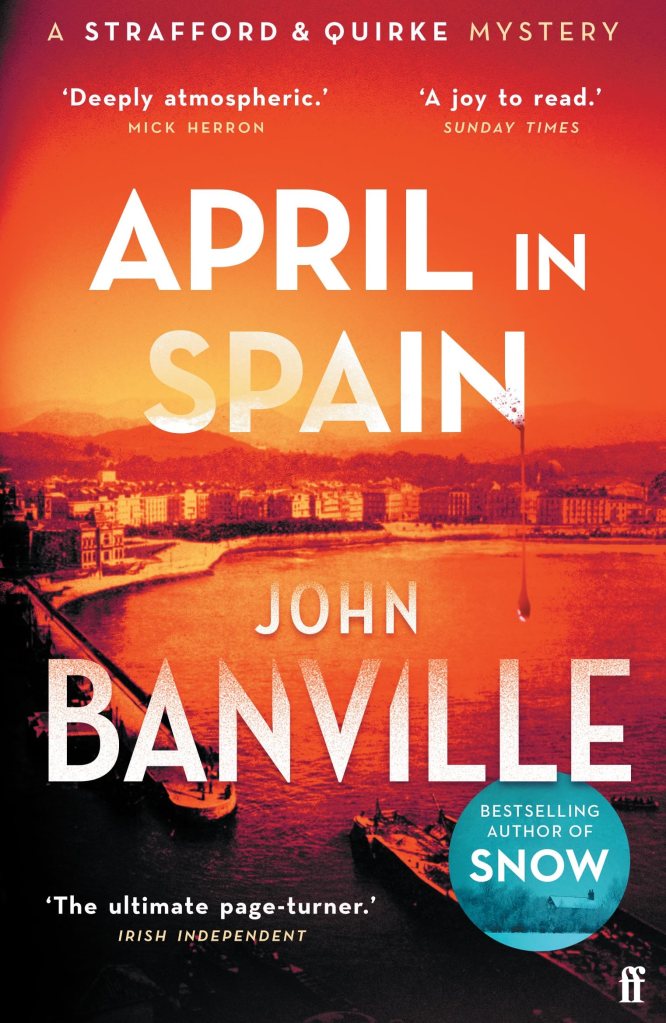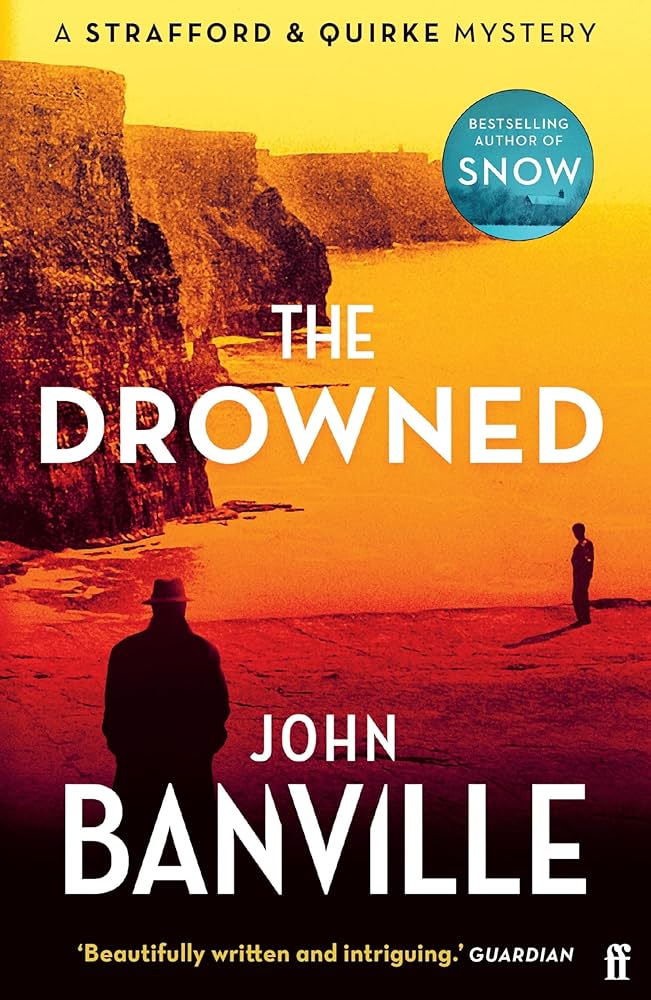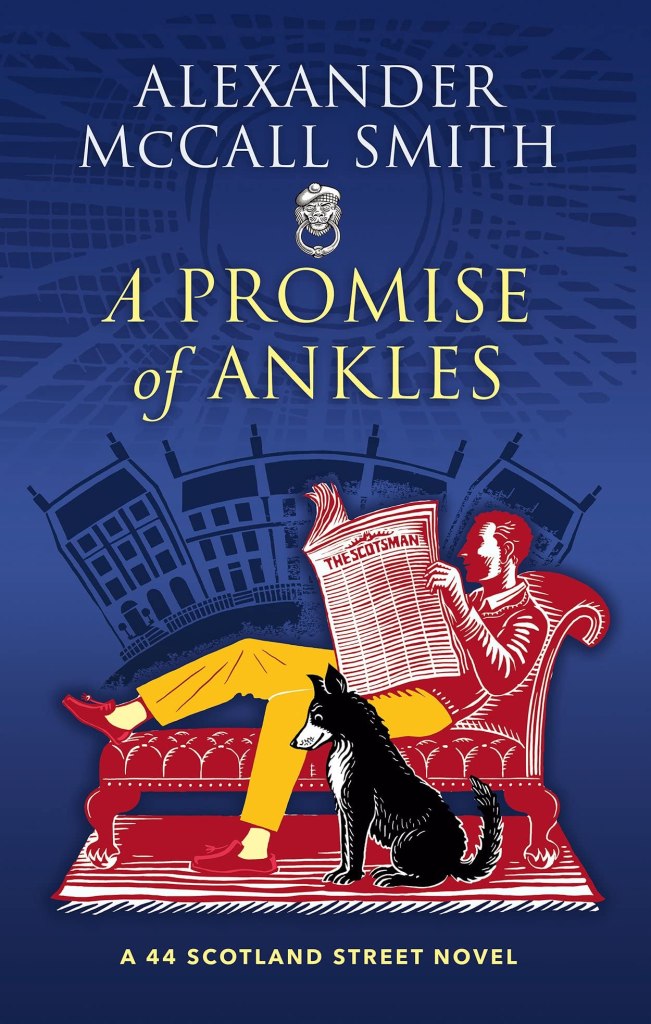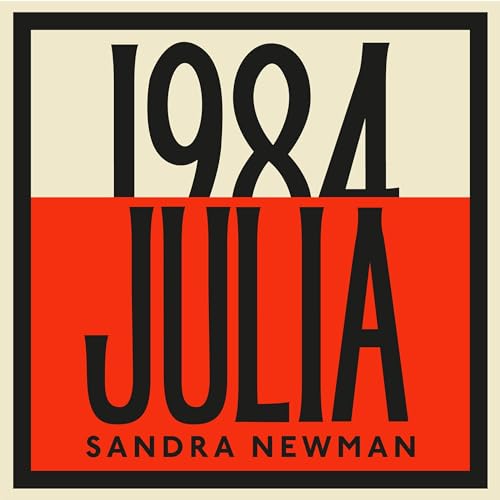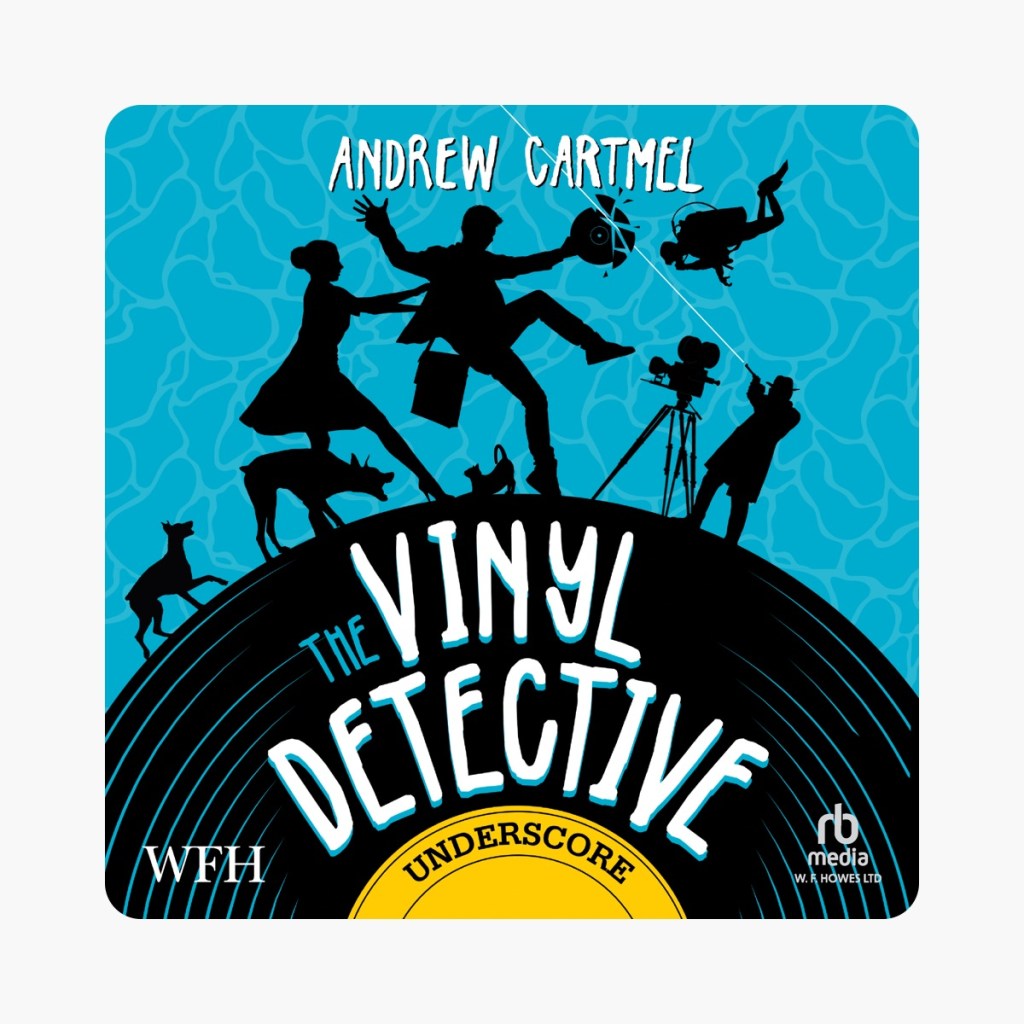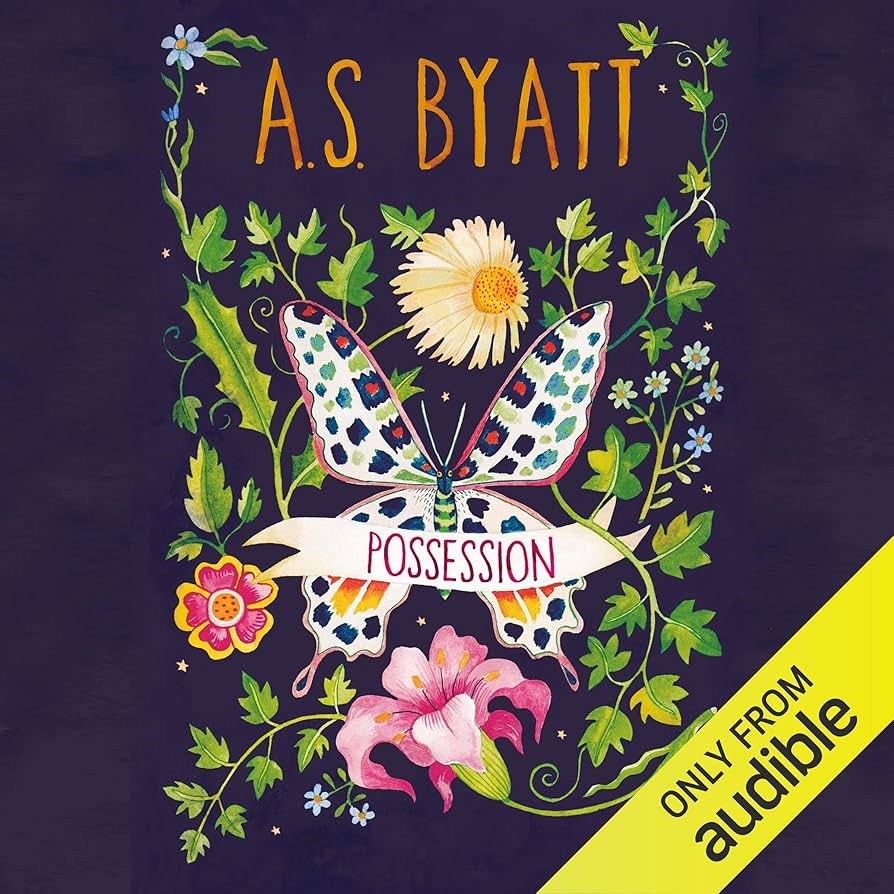
In my opinion this 8th instalment in the Vinyl Detective series is a return to form with all the old characters getting together to hunt down an old LP of a movie soundtrack from the 1960s Italian crime caper genre. The grandchildren of the composer/musician want to remaster and re-release the soundtrack from an immaculate copy of the vinyl record if one (or maybe bits of several) can be found and they also want to clear the name of said musician who was suspected of murdering a diver who worked on the film with whom he was rumoured to be having an affair.
As the team follow leads to hunt down the illusive record, people they track down who were connected with the original start turning up dead and they are once again caught up in murderous and dangerous adventures!
The usual banter, cat talk and foodie fun peppers the story which I did enjoy.
I’m pretty sure I’ve read everything that Jodi Taylor has had published, and I think that this series about Elizabeth Cage is my favourite (along with the Frogmorton Farm series)! It has the typical Taylor humour and great characters with lots of depth of emotion and gripping plot and the added element not of time travel in this series but of magical realism/paranormal/supernatural stuff/mythology come to life – Urban fantasy, I guess (does everything need to be labelled or slotted into a genre?).
Elizabeth’s character is an endearing mix of lack of self confidence and ballsy girl power (when she let’s it out). It has a timeless nostalgic feel and I can’t wait for the next instalment
In this novel Elizabeth is allowed to remember some big scary things about her past that had been magically hidden from her before to shield her from the pain of knowing and has to decide whether to remember or forget again. I would recommend reading the previous books in the series first.
The Magicians: Book 1 – Lev Grossman – 05.05.25, The Magician King: The Magicians, Book 2 – Lev Grossman – 20.05.25, The Magician’s Land: The Magicians, Book 3 – Lev Grossman – 31.05.25
I have to say that this series really grew on me. At the end of the first book, I was ready to write a quite scathing review along the lines of : ‘If the Harry Potter books and the Narnia Chronicles got married and moved the America, and had a baby that grew up to be the worst kind of winey bratty American teenager then that would be this book!’ and in a sense, that, I think is a fair review of book one, but perhaps the main protagonist, Quentin, who found out that magic is real not as an abused eleven year old (like Harry Potter) but as a normal (ish) American 18 year old, and the magical school he ended up in was college rather than high school, needed to be so objectionable so we (the readers) could see the journey he went on because, to be fair, he does a lot of growing up by the end of the series.
As well as Harry Potter parallels, the very obvious homage to the Narnia chronicles was a series of books Quentin read repeatedly and loved as a child where English children find their way into a magical land called ‘Fillory’ and have adventures with talking animals and magical beasts and become kings and queens.
The Fillory books and the real family they describe feature heavily in this series because it turns out that they too are real and Quentin finds a way to enter the magical land.
At first this annoyed me – I thought this is basically just fan fiction about Narnia and Harry potter but with swearing and sex, but with more pondering I’m coming around to thinking that including mythology from these books in a new work of fiction is no different than the many fantasy stories that draw on classical mythology, just that the source material is less old.
I did find myself becoming more and more invested in the characters of Quentin and his friends, and in the fate of the magical world of Fillory, and ended up really enjoying the reading experience.
From the title of this book (and also the brief synopsis) I was expecting something supernatural, but actually the title is referring to brandy rather than beings (banshee’s bogeymen – I’m trying and failing to come up with a pithy alliterative quip!).
I’m not sure if I liked it or not – the main character is quite unsympathetic – a raving drunk who is ill and making himself worse with his hopeless addiction (I know that addiction is a disease and not a character flaw, but this man just seems to wallow in it – I want someone to help him to sober up) who is approached by Sir Arthur Conan Doyle, no less, and employed to be an objective judge of a medium and magician that he (Doyle) is taken with.
Is it a comic farce? Is it a detective story? Is it a journey of discovery? Maybe all or none, I don’t know. I quite liked it (I think).
This was my book group read for May and like the last book group read (The Colony, by Audrey Magee) it was set in Ireland (one of the ladies said, ‘not being funny, but can the next book we read please not be Irish! ‘ – I know what she means, even thought we are all proud to be Irish (honorary Irish for me) a change is as good as a rest, they say!).
The boy from the sea is found as a baby on the beach and is adopted by a local fisherman, already the father of one small boy and the story surrounds him – from the stormy relationship with his adopted brother, to his parents, aunt and grandfather and the people of the town who are given a collective voice like a Greek chorus narrating their views on the boy’s journey through life.
The boy has a gift of giving ‘blessings’ to people – or is it just that a mythology has built up around his unusual start in life, and the people will cling to any hope of a little bit of extra help against the cruelties of chance? Either way he is somewhat revered and sought after, much to the annoyance of his brother.
It’s a very relatable and believable portrayal of life in a family as well as the claustrophobic nature of a small town where everyone is all up in each other’s business. On the whole, the book group ladies enjoyed the book, and we talked about it a fair bit, but we agreed that it didn’t have the same ‘wow’ factor of the previous book we read.
I listened to it as an audiobook (loved the narrator!) so I missed some of the unusual punctuation or structure that the other ladies mentioned.
I was super excited to see this novel by Andrew Shanahan because I loved his zombie apocalypse books Before and After and Flesh and Blood. This book is witty satirical look at human behaviour in a time of crisis.
**SPOILERS**
It’s funny because the plot of this book is like a comedic farse version of Naomi Alderman’s novel The Future, which I recently read, in that both revolve around a near apocalypse warning and rescue system for people rich enough to pay a huge premium for the service.
In both books, the ultra rich were being duped to a degree, in this one it turns out the B of The Bang company were selling snake oil, thinking that in the event of a global disaster there would be no-one left to come after them for breach of contract or whatever, so they didn’t need to actually have the rescue system set up(!).
The plot is that a hungover employee running a training session at B of The Bang accidentally instructs the trainees to send out live alerts of all kinds of impending disasters, including incoming nuclear missiles from North Korea headed for central London, the news of which a well meaning rich man shares with his employees and it quickly spreads on social media until mass panic ensues.
There’s a lot of social commentary and some very funny moment, and I did enjoy it, but for me it wasn’t as good as the Before and After books.
How I felt about this book was a bit of a roller coaster ride from quite intrigued to loving it to not sure to hating it to quite intrigued again to pretty satisfied!
So, we start with two seemingly separate stories following nice little old lady amateur sleuth in Scotland (Penny) solving local crimes, to hard ass cop in LA bending the rules and endangering himself and others in his unerring attempt to get to the truth of his cases (Johnny).
Then the two get together as they both end up at a society wedding in a fancy Scottish hotel, Penny after receiving a mystery invitation, and Johnny following a lead on a potential perp.
Things get hairy scary with murders and car chases and shoots out (which is where I tend to get a bit bored, not loving that sort of thing) and Penny and Johnny flee to LA to try to get to the bottom of a series of ‘suicides’ which they think were actually murders. (I can’t help thinking of how Alan Cumming says ‘Murrr derrr’ in his scottish accent when he hosts the American version of The Traitors whenever reading about murders in Scotland!)
Then I guessed the big twist right before it was revealed (so it was probably engineered that way) and initially my heart sank. Not another blooming book where the story is not real even in the world of the book, it’s all a dream/novel/simulation/hallucination whatever, in this case a kind of augmented reality literally put-yourself-inside-a-book computer in your brain thingy.
To be fair, when it was properly explained, the concept actually grew on me, and I went back to being intrigued and I did quite like the ending.
There was a fun mix of cozy mystery, noir mystery and sci-fi and I did actually quite enjoy it.
This is the sequel to Wicked and follows Liir, who may or may not be Elphaba’s son in the immediate aftermath of what Dorothy did to his ‘mother’. He goes on quite the journey, trying to find his identity and place in the world. He is searching for his half sister Nor, who was last seen imprisoned in the dungeons of Oz, as well as trying to fulfil a promise to help an enchanted half elephant half human princess who lives in endless suffering, and to help the sentient birds who are being menaced by dragons trained and used by the soldiers of Oz.
Like Wicked, this is a deep and thoughtful book and sometimes a hard read. I found it worthy but not always fun and I’m not sure how I feel about reading the other books in the series – I feel like I should to get completion but it’s not like I can’t wait to read them.
So, I’ve had psoriatic arthritis for over twenty years, but in the last four or five years (since Covid) my levels of pain, tiredness, insomnia, low mood etc etc have escalated and last year my rheumatologist diagnosed me with fibromyalgia in addition to the PA. On a fibromyalgia forum someone recommended this book, so I bought it and gave it a go.
A lot of it is stuff I already knew (although no harm in being reminded) – that our perception of pain varies hugely on the circumstances, with anecdotes about people in agonising pain when they believe they have a nasty injury (a giant nail through the sole of their boot, and out of the top via their foot), only to discover that the nail actually went between their toes and they’re not injured at all when the pain miraculously vanished, to people actually having terrible injuries that they don’t notice until later because they are too distracted (e.g., running a marathon on a broken leg etc). The book also talks about how in almost all cases, chronic (i.e. long lasting) pain is caused by our brains being over protective and telling us we’re hurting when the actual cause of the pain has long since healed.
So the solution offered by the book is largely about mindfulness and re-training the brain. The author suggests thinking hard about the sensations of your pain and describing it in neutral descriptive terms like warmth, pressure, pulsing etc, while at the same time reminding yourself that you are safe and fine and that these sensations are nothing to worry about.
Does it work?
Well, I actually quite enjoyed playing the describe your pain game and did feel like it was having some level of positive effect initially. However, I haven’t really stuck with it (the author does say it takes a long time to re-learn something that is so ingrained in our brains) plus I’m getting a new kitchen which has involved me moving furniture and big boxes of crockery etc in readiness and then all the stress of having workmen in the house for two weeks so my pain and insomnia has actually got worse, but I acknowledge that it’s unfair to test it in these circumstances. I do believe that it must be possible to re-train the brain to reduce chronic pain, and I will try to get back to it, once the kitchen is finished!
Funnily enough, this book was similar to my two previous book group reads, The Colony and The Whalebone Theatre. Like The Colony, it is set on a small island that clings on to old ways and old language (in this case, Welsh, whereas the language in The Colony was Irish) and like The Whalebone Theatre, the plot loosely revolves around the decaying corpse of a beached whale on the edge of the community.
Like in The Colony, a young islander, Monod,’s head is turned by the arrival of sophisticated English visitors, who come to make a book/documentary about their image of island life, often manipulating the truth to fit their narrative. They use Manod, and let her believe they will help her in return, but like the metaphor of the decomposing whale, they just take what they can exploit and sell and leave the rest to rot.
I liked it well enough – not as much as The Colony, but more than The Whalebone Theatre!