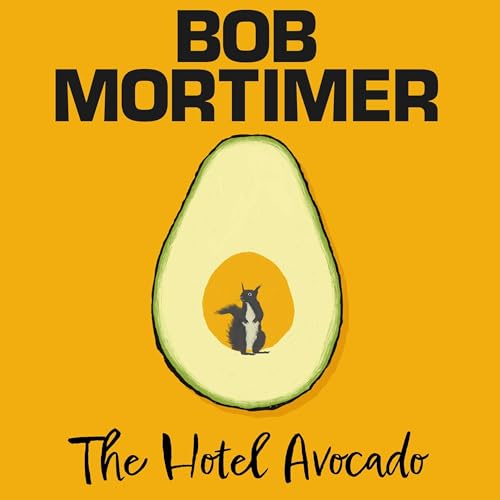
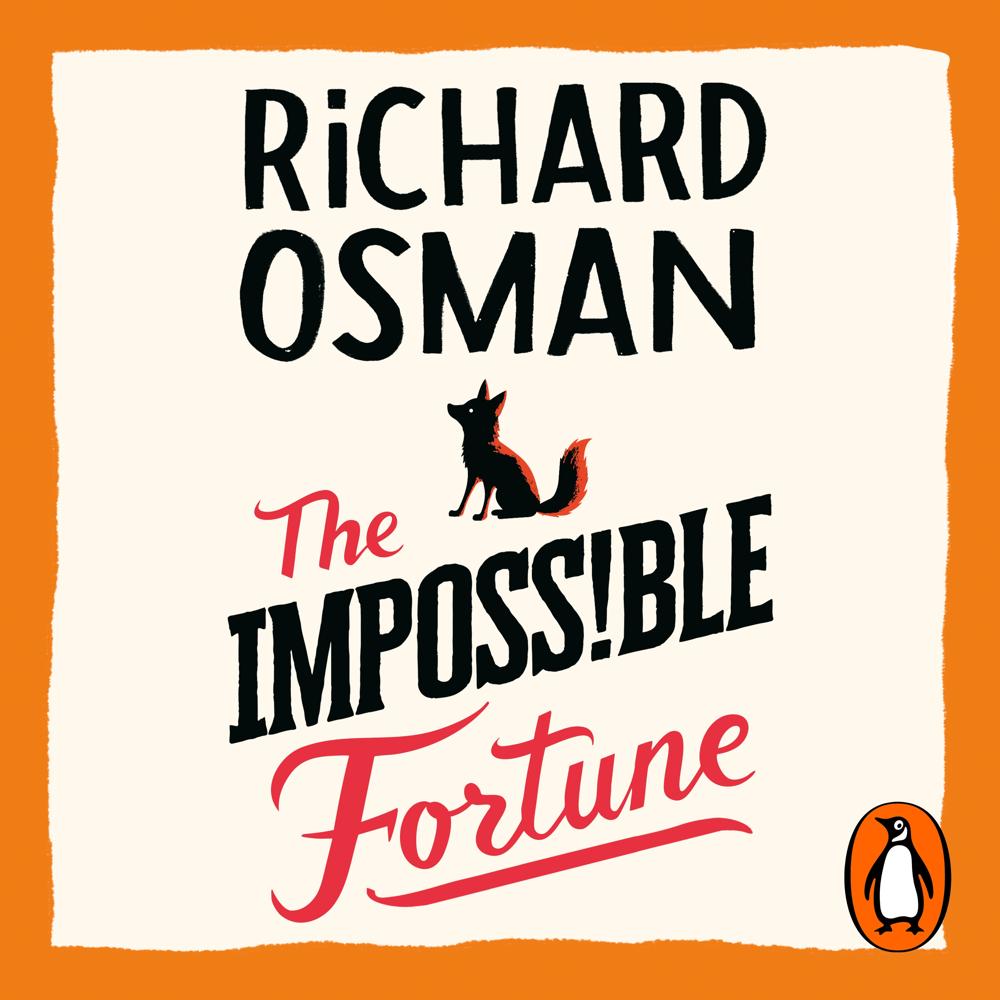
I love this series by Bob Mortimer – the author’s narration is so funny and dead pan and the series continues to by well written – the baddies are menacing, the imaginary conversations with local wildlife are funny and the relationships between the main characters are heartfelt and emotionally engaging. Big thumbs up from me.
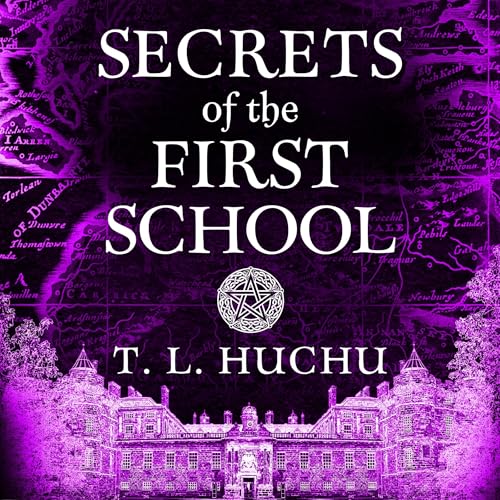
I have really enjoyed the whole Edinburgh Nights series and this finale was one of the best.
Ropa’s family’s secrets, both good and bad, are finally brought to light as well as an explanations as to why the spirits call Ropa ‘dead girl’. Ropa must draw on the power of ‘wise women’ going back through generations and overlooked by the conventional male dominated magical establishment to fight to save herself and her sister and friends.
I am happy that the series wrapped up in a good way, and didn’t just draw out book after book, but on the other hand, I will really miss the world of Ropa and Scottish magic. I don’t know if T.L. Huchu is writing a new series, or what, but I will certainly look out for more books by this author.
I think this must have been a kindle daily deal that I took a punt on and when I got around to reading it, I was very pleasantly surprised by how good it is.
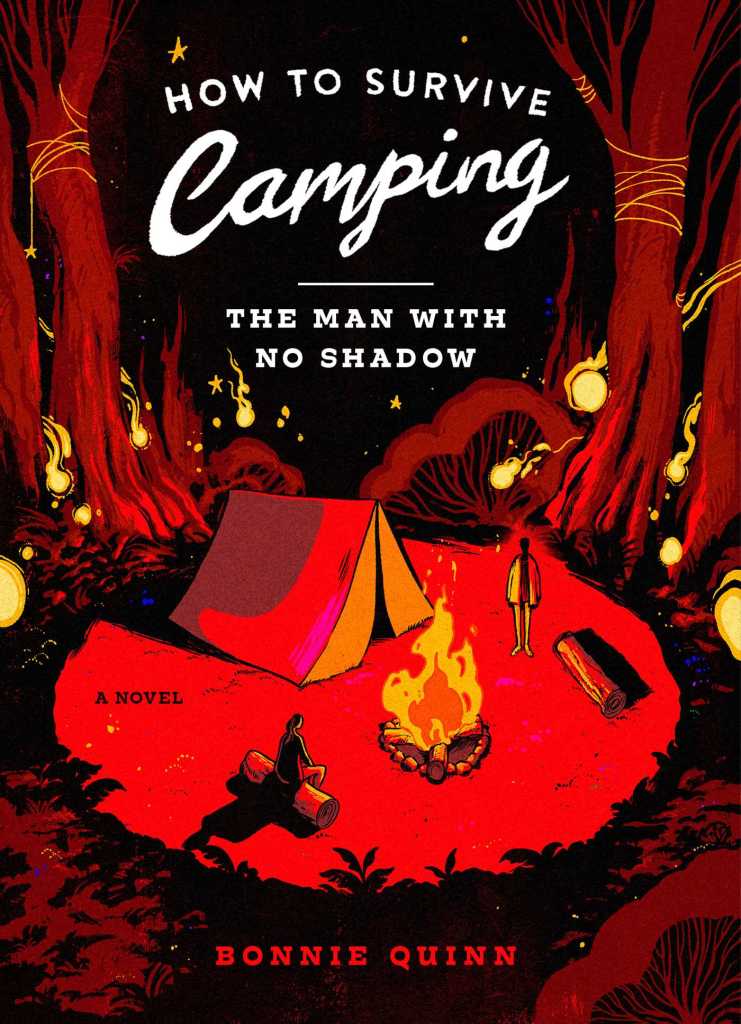
Like a love child of Stephen King and Grady Hendrix, this folklore/Supernatural/horror story is intelligent and very fun to read.
Kate has inherited the family campground which is also home to creatures of unspeakable horror from the other realm. When reading the book I couldn’t help thinking, why the heck does the campsite remain open to visitors when a small percentage of them end up dead, maimed or missing? Yes, Kate produces a list of rules the campers must follow to not end up this way, but still. I think it’s probably part of the ancient agreement between the family and the supernaturals (as ever I’m so behind on writing up my book reviews that I struggle to remember small details) and if you can get past that humongously reckless risk-taking of other’s lives, it’s a really good story.
It’s the first in a series, and I’m super excited to read the next instalments!
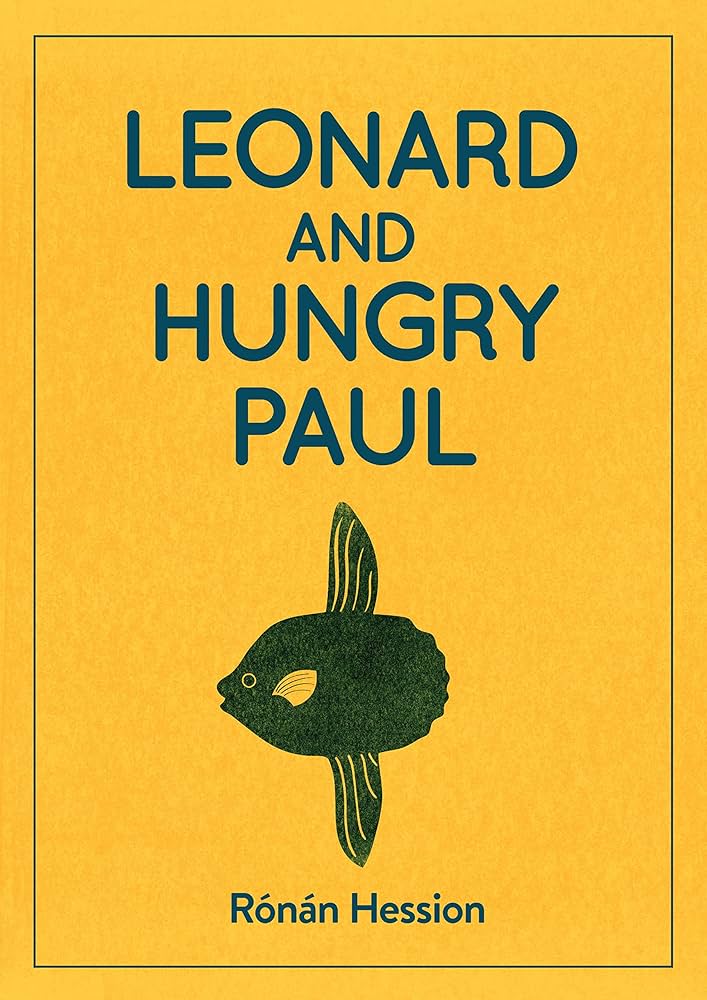
Aw, I loved this. (I also loved the tv adaptation). Leonard and Hungry Paul are two friends united by their quiet introvert personalities and enjoyment of board games. They help each other navigate through life’s changes with family, loves and loses.
As a card carrying introvert myself, I loved this approach to the world, and I also loved that the story didn’t try to take them on a journey out of being introverts as so many stories do, as if being quiet is something that must be ‘cured’.
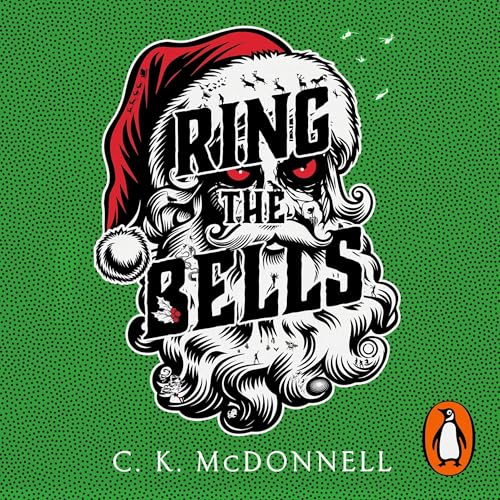
I always enjoy the Stranger Times novels, and this is no exception. With a Christmassy theme this book reminds me of the great Terry Pratchett’s Hogfather story. I know many books claim to be as good as Terry Pratchett, and few deliver, but in my mind C.K. McDonnell does – the Stranger Times books are genuinely funny, wise and inventive – love them. Also the narrator is as ever fabulous!
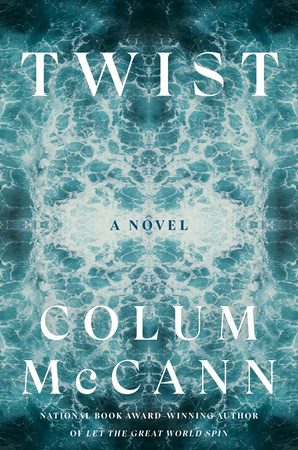
Colum McCann’s novel Apeirogon was one of my all time best reads (or listen – I found the audiobook to be utterly compelling) and this novel, thought also quite compelling, didn’t thrill me as much.
It follows a journalist, Fennell, who is given the job of shadowing the captain of a ship that fixes damage to the network of undersea fibreoptic cables. These cables carry all the information (or most – some it done by satellites) for the world wide web, a fact that I have often found fascinating – actual physical cables going all across the vast oceans!
The book has several themes – family, belonging, technology (for good or for bad), life’s work, meaning, doing your job vs doing what’s right, working out what is right. It was certainly thought provoking.
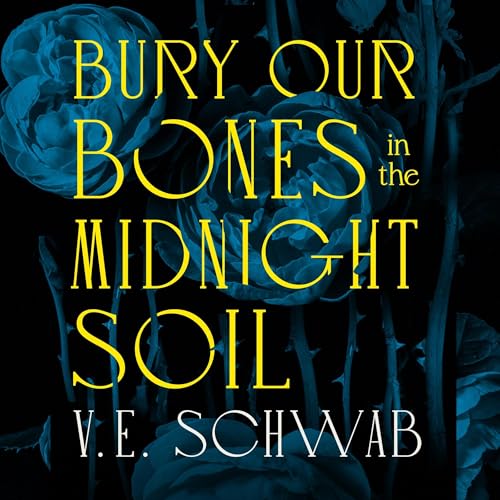
I loved The Invisible Life of Addie LaRue, by V.E. Schwab, so was excited to read this and I enjoyed it almost (but not quite) as much.
It is a vampire book, following various characters from different points in history where/when they lived prior to being turned and as they continued to live as others aged and died around them.
It is an interesting and thought provoking look at the complex emotions involved in becoming and living as ‘a monster’ – having to kill to survive, having to cope with surviving for so long, figuring out the feelings towards the one who turned them – love? gratitude? anger? Hate?
I have read a few books with similar themes and this is one of the best.
In this latest instalment Elizabeth is still coming to terms with her grief over the death of her husband, although it is becoming a little less raw, and Joyce is full of excitement over the wedding of her daughter, Joanna.
A wedding guest confides to Elizabeth his fears for his life and the gang are once more pulled into a mystery.
I did enjoy the book, with it’s usual mix of gentle humour, pathos and mystery. I liked the bit coin element as I have been learning about bit coin recently.
I will certainly keep reading the series as long as it stays this fun.
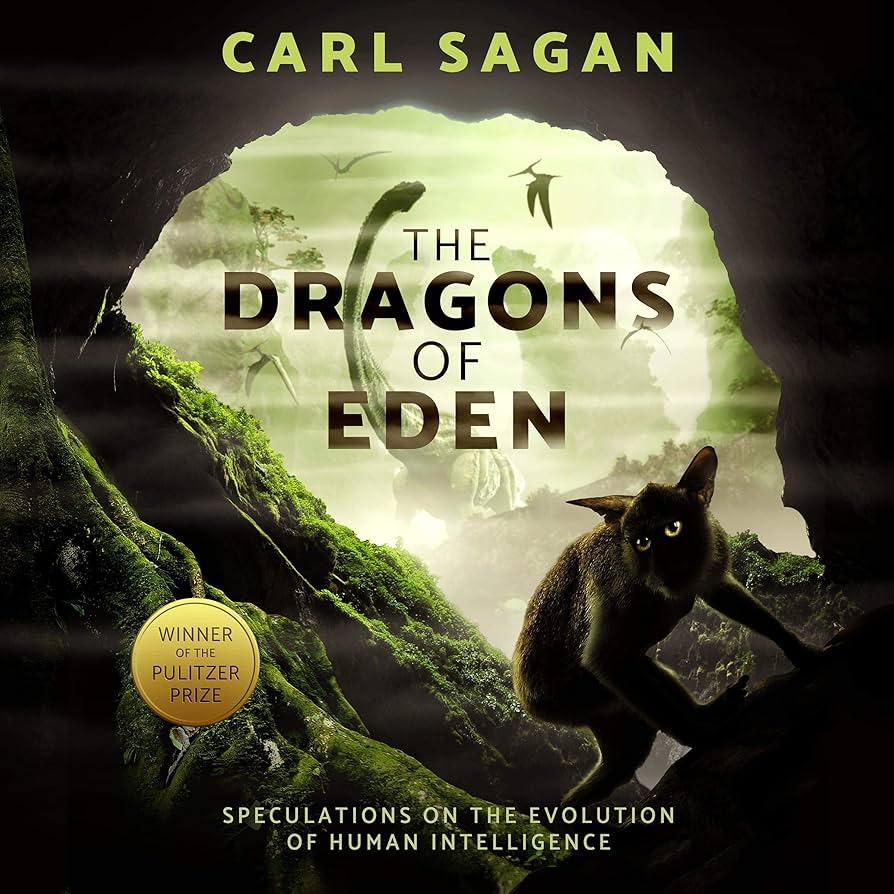
I’m so behind in my book reviews that I am writing this over two months later than reading the book and I am struggling to remember anything about it! I’m sure that tells more about my terrible memory than about the memorability of the book!
I am not good at reading non fiction – I get bored and frustrated at the way non fiction books draw out the telling of information in a way that seems to me to be pure padding, but I must have enjoyed this one well enough by the very fact that I finished it.
I do remember that, even thought the book was published in 1989, there was a fair bit about computers and how the information age is shaping our intelligence, which was quite prescient and it would have been interesting to see what he made of the new proliferation of internet browsing and AI – is this the next step in human kind – computer intelligence?
I’m sorry this review is so rubbish. My intelligence is clearly devolving!
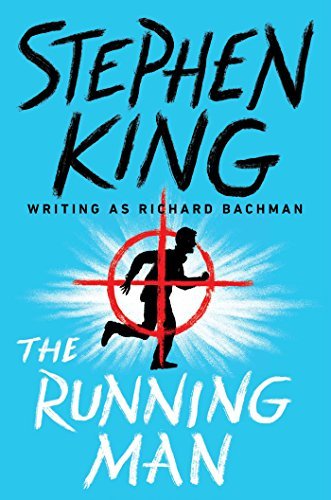
This was part of the three Richard Bachman books in one that I read together including The Long Walk and Road Works. Like The Long Walk, it is set in a dystopian future where the general population are oppressed and impoverished and, in this book, given the opportunity to enter cruel and gruelling game shows to win the money they are desperate for, or die trying.
Ben Richards is a labourer who has frequently got himself into trouble for standing up for worker’s rights and has once again lost his job. His wife has to work long hours as a waitress and exotic dancer and their daughter is sick. They can’t afford medicine for their daughter and Ben turns to the game shows. He is selected to enter ‘the running man’ show – where contestants try to avoid ‘the hunters’ in the real world. If they are caught they are killed. Their family gets money for each day they survive as well as extra money if they kill some hunters.
After reading the book I watched the recent movie. The movie was fun, but the book is much better, especially the ending, which in the book was poignant and satisfying, but in the movie was predictable and too ‘Hollywood’.
 Sarah Wray Writer