This is the sequel to The Book of Lost Things, and in it we return to Elsewhere with a different human protagonist. In the book of lost things, David had to work through his feelings of loss and resentment, in this, Ceres (named after the goddess of motherhood, among other things) is a mother whose child is in a coma and her quest involves saving children.
Interestingly, Ceres reverts to her teenaged self when in Elsewhere – maybe to appeal to the intended young adult audience, or maybe because it is the child in us who uses stories to work through life’s problems?
It was nice to revisit some of the characters from the first book, and again there are some quite nasty scenes as well as a smattering of humour, and no simply happy ending as life is filled with both light and dark.
I somehow didn’t feel as gripped listening to this book as to the first one, and I found my mind wandering a few times. Still good though.
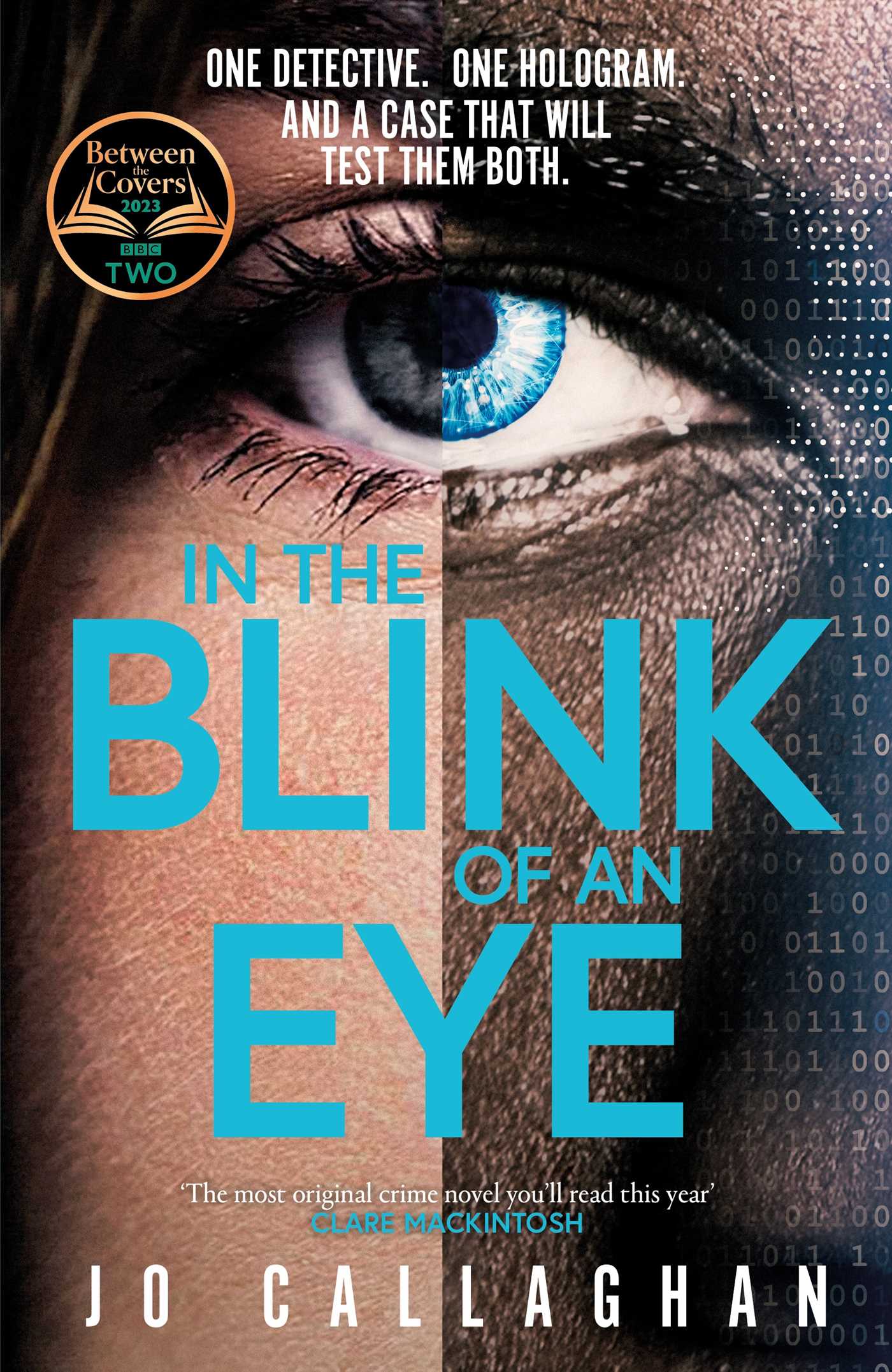
This was the audible daily deal recently, and I loved the show back in the day, so I bought it and I’m glad I did. The story is really fun, and the narration by Chris Barrie is excellent! He is so good at doing the voices that I wondered (and still do a bit) if there was actually a full cast doing the reading!
A very fun trip down memory lane.
If you are too young to remember, Red Dwarf follows Lister (the last human alive after being in cryosleep for three million years) Rimmer (a hologram), Cat, a humanoid cat creature who evolved from one pregnant cat in the bowels of the spaceship, Holly, the super intelligent AI computer who is going a bit stir crazy, and Kryten, a robot who loves to clean, as they try to find their way back to Earth. It’s funny and poignant.
For my bookgroup in September, we are reading two novellas by Claire Keegan – this one, Foster, as well as Small Things Like These, which I had already read (and loved!).
Claire Keegan’s writing is just beautiful. I’d seen the film based on this novella (I think it’s called ‘The Quiet Girl’) and remembered the gist of the plot, but still really enjoyed the experience of reading the book.
The prose is understated and yet gorgeous. You feel like a visitor to a wee Irish farmhouse sharing a slice of life with the family within with all the joys and heartache and quiet routines of life that get you through it.
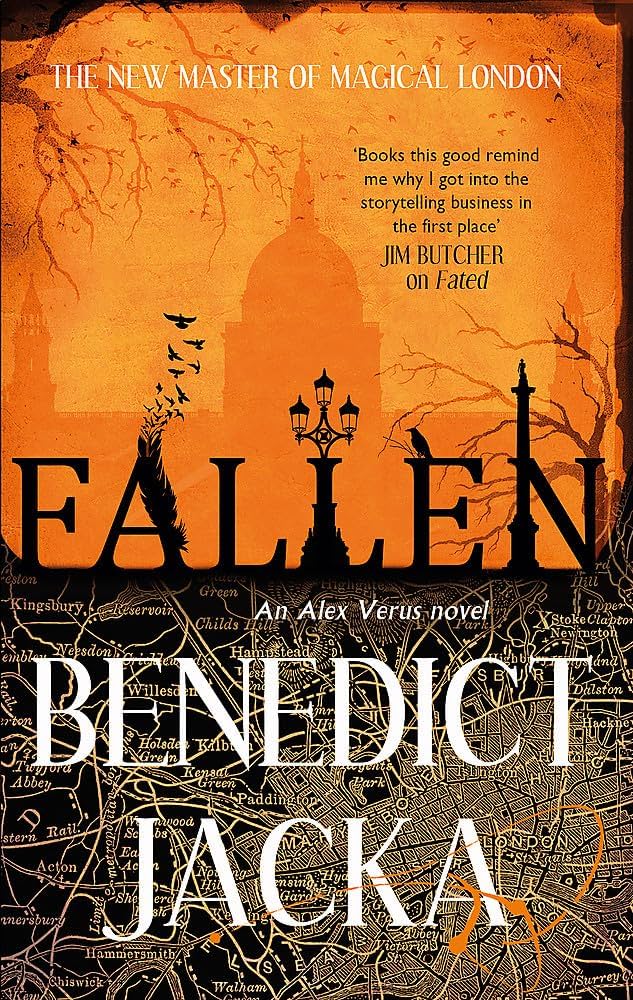
About a third of the way into this book, I was almost wondering if it would be wrong to abandon the book (and the series) when I’d already read 9 and a third of the twelve books. I was bored by yet another protracted magical fighting scene. But…
Then it started to peak my interest – some clever plot twists, and (FINALLY) some movement on the Alex/Anna relationship will they/won’t they thread and by the end of the book I was actually excited to read the next one!
I read this book years ago, back when I used to read physical books and remembered liking it, so when someone on the Rick O’Shea group on Facebook posted their excitement at the sequel coming out, I bought the audiobook for a re-listen before reading the next one.
By the way, I would thoroughly recommend joining the Rick O’Shea group on Facebook – it’s an Irish group for avid readers and I get a lot of book recommendations or nudges about authors I like having new works from that group.
Anyhoo, The Book of Lost Things is an Adult (or maybe young adult) faery tale. I think it’s aimed at people like me who always loved to read and look back with nostalgia at being lost in the world of the fey as a child or young adult and being both terrified and delighted and wishing it was all real while being relieved that it isn’t (or is it?).
There are dark themes and some violence and gore – but as one character pointed out, that is the tradition with fairy tales – to be dark and cautionary and teach the young about the very real dangers of life but in a safe and vicarious way. (I wish I’d said something like that when I was interviewed on the radio during my five minutes of fame when The Forbidden Room won the Wow Factor award – the interviewer asked me if I didn’t think my book was too dark and serious for a teen audience, and I said something inane like ‘oh, no, I don’t think so,’ instead of talking about the rich tradition of dark tales for children. Hey Ho.)
The world of Elsewhere (or whatever you want to call it) is shaped around the fears and experiences of the human protagonists who visit, and the main character, David is battling grief after losing his mother, and feelings of resentment toward his new stepmother and step brother and his quest really is to fight through those feelings in the form of evil magical creatures. It turns some traditional fairy tales on their head in a fun way and I like that it didn’t have a ‘happy ever after’ more a ‘complicated ever after’ like real life.
This is a fun novella in Ben Aaronovitch’s River’s of London cannon. You could probably listen to/read it as a stand alone, as it’s entirely set in America with an American FBI agent who investigates ‘special’ cases as its main protagonist. The Native American spirits reminded me of two TV series I’m currently watching and enjoying – Reservation Dogs, and Dark Winds. I liked the female American narrator.
One strange thing was, at the end when they say the rights belong to the author, Ben Aaronovitch, the narrator pronounced it Aaron-OH-vitch (with the emphasis on the OH) whereas in my head I’ve always said AaRon-o-vitch – with the emphasis on the ‘ron’) do I need to rethink my world, or did the narrator mispronounce???
Before listening to this audiobook, the only things I knew about Sri Lanka came from a strange experience I had several years ago…
Back in 2011/2012 I was studying for an MA in Early Childhood Education and Care. The class was all women and we all worked in the early years sector as teachers or childcare workers, and one module on the course was about international perspectives on early years provision. One day in a sort of discussion group/tutorial, a male student who we hadn’t met before turned up. He was Sri Lankan, and he dominated our discussion with terrible stories of atrocities meted out against women and children in his homeland. We normally talked about topics such as ‘learning through play’ or ‘positive reinforcement of good behaviour choices in under fives’ and that days discussion was about rape and beatings and false imprisonment. It was as if someone had put a baby dragon into a nest of kittens. We didn’t know how to respond.
So, I guess I wasn’t surprised by the similarly terrible things described in this book set in Sri Lanka.
I liked the structure of the book – the magical realism element of the story being told from the perspective of a recently deceased young man who finds himself in a kind of Limbo or Bardo – a waiting room for the newly dead, queueing to speak to the officials seated behind rows of desks. He is told he has seven moons (ie seven days) to effectively be a ghost and work out what happened to him and how he died, so it’s kind of murder mystery.
I did find the book a slog to get through though. There are a lot of characters, and a lot of Sri Lankan politics and it just seemed very long. I’m kind of glad that I listened to the book, because it had it’s moments and it feels sort of worthy and important, but that said, I was glad/relieved when it was finally over (like how I felt at the end of the discussion group with the mysterious and disturbing Sri Lankan).
Emily St. John Mandel is a writer whose books I’ve really enjoyed in the past, and for some reason I’ve had this on on my kindle for ages but hadn’t read it. Many books by this writer have magical realism, which I love, but this one didn’t really (apart from a few ghost sightings) and yet it was still a really, really good book.
Anton Waker is trying to live an honest life even though his parents and adopted sister are career criminals. He reluctantly agrees to help them give fake documents to illegal immigrants, because he feels like this is actually a good moral choice as he is helping desperate people.
Unfortunately dipping your toe in the criminal world can cause ripples and implications, and small bad things can become very big and very bad things and poor Anton’s life is upended.
It’s not really a thriller, more a book about people and choices and relationships with a tense undercurrent! I liked it a lot.
This book gets very mixed reviews on Amazon and Goodreads, but I 100% loved it!
It had everything I love in a story – wonderful literary writing, a relatable protagonist, magical realism, a cracking plot, pathos, mystery. It’s quite short (sadly) and has made me want to revisit Helen Smith as a writer I loved in the past but haven’t read for a while.
I really enjoyed this book, right up to the ending which was meh. I went online to see what other people thought of the ending and it seems that most people agree that the book just seems to run out of steam and end abruptly. (Quite a sizeable minority seem to just really dislike everything about the book!).
To me though, it was worth the ride – a mysterious lost ancient book that hides a devastating secret – clues to follow and bad guy to avoid, (and a mysterious multiplayer video game adventure which may or may not be related….) what’s not to love!?
[Also, in reading other people’s reviews, I stumbled across mention of a book I had never heard of by JJ Abrams and a writer called Doug Dorst called ‘S’ and I spent £23 (shockingly expensive, I know) on an actual physical book (a thing I never thought I would do again) because the actual book is part of the story – with things like photos or written-on napkins between many of the pages, and hand-written annotations by several different people – so exciting. Sorry, this paragraph is a diversion and nothing to do with Codex!]